





Dr. Felipe Pittella performs ultra-dense mega-session and Giga-session FUE procedures on Norwood 6 and 7 patients with excellent density and coverage. Dr. Pittella combines quality and affordability with coverage and density.
-
-
A true pioneer, with a worldwide reputation for outstanding follicular unit hair transplantations among both colleagues and patients.
-
With over 15 years of experience, Dr. Prapote Asawaworarit is Thailand’s leading hair restoration surgeon, trusted for his natural artistry, precision techniques, and results that appear seamless for a lifetime.
-
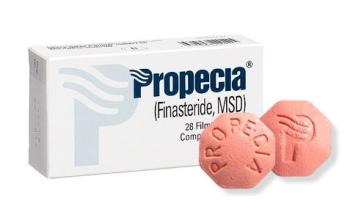
Propecia can stop hair loss
If you are going bald you may consider using Propecia to halt or even reverse your hair loss. While there is no “Hair Loss Cure”, Propecia (generic name finasteride) can often stop or even reverse alopecia in most men Important – Women who may… read more -
Dr. Sean Behnam performs high-quality, refined follicular unit grafting and is a pioneer in mega-session hair transplantation in California.
-
Other Surgical Procedures
The most common method of surgical hair restoration involves removing bald resistant donor hairs from the back and sides of the head and transplanting them to the bald areas. Such hair restoration procedures are relatively minor surgeries that are… read more -
Powered SAFE Scribe For Follicular Unit Extraction (FUE)
Increasing interest in follicular unit extraction (FUE) hair transplantation has led to the development and refinement of a range of manual punches, motorized devices and automated surgical tools. One such tool is the Powered SAFE Scribe. Developed… read more -
Dr. Gür is an affordable surgeon that performs high-quality, refined follicular unit extraction (FUE) with consistently high growth rates and naturalness.
-
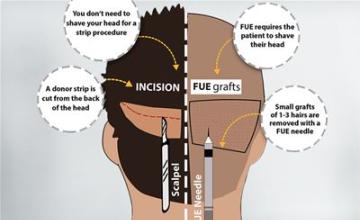
FUE vs FUT Hair Transplant
Despite misconceptions often made by patient members of our popular hair loss forum, FUT and FUE aren't opposing hair transplant procedures. FUT stands for Follicular Unit Hair Transplantation which is today's gold standard hair procedure. Follicular… read more -
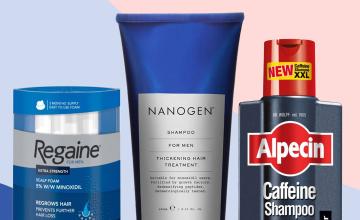
Topical hair loss treatment
Snake Oils or Legitimate? There is still no complete “cure” for baldness. But topical hair loss treatments such as special shampoos and various scalp treatments can compliment proven treatments such as Propecia, Rogaine or surgical hair… read more


