





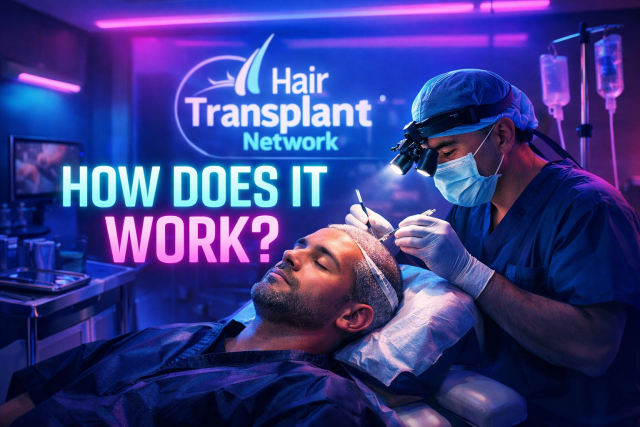

Hair loss affects millions of men and women around the world, often impacting confidence and self-image. Fortunately, modern hair transplantation has evolved into a highly refined medical procedure capable of restoring natural-looking hairlines and density. But many people considering the procedure still wonder: how does a hair transplant actually work?
At its core, a hair transplant is a surgical procedure that relocates healthy hair follicles from one area of the scalp to another. The principle behind it is simple yet powerful: hair on the sides and back of the scalp is genetically resistant to the hormone DHT (dihydrotestosterone), which is responsible for pattern hair loss. Because these follicles are resistant to DHT, they typically continue to grow for a lifetime. When transplanted to thinning or bald areas, they retain this resistance and continue growing as they did in their original location.
Step 1: Consultation and Planning
Every successful hair transplant begins with a detailed consultation. During this stage, a qualified hair restoration surgeon evaluates several factors, including:
- The pattern and extent of hair loss
- Donor hair density and quality
- Hair characteristics such as color, curl, and thickness
- The patient’s age and future hair loss risk
Using this information, the surgeon designs a long-term restoration plan. This often includes designing a natural hairline that will still look appropriate as the patient ages. The goal is not just short-term cosmetic improvement, but a balanced and sustainable result over time.
Step 2: Harvesting Hair Follicles
Hair follicles are taken from the donor area, typically the back or sides of the scalp. There are two primary techniques used today:
FUE (Follicular Unit Extraction)
This method removes individual follicular units one at a time using a tiny punch tool. It leaves minimal scarring and allows patients to wear shorter hairstyles.
FUT (Follicular Unit Transplantation)
Also known as the strip method, this technique involves removing a thin strip of scalp from the donor area. The strip is then carefully dissected into individual follicular units under microscopes.
Both techniques ultimately produce follicular units, which are the naturally occurring groupings of 1–4 hairs that grow together.
Step 3: Preparing the Grafts
Once the follicles are harvested, highly trained technicians carefully prepare them under high-powered microscopes. This step is extremely delicate because the grafts must remain healthy and hydrated until they are implanted.
Each graft is sorted and preserved in specialized solutions designed to maximize survival rates.
Step 4: Creating Recipient Sites
Next, the surgeon creates tiny incisions in the thinning or balding areas of the scalp. This is where the artistry of hair transplantation becomes critical.
The surgeon carefully determines:
- Angle of the hair
- Direction of growth
- Density and distribution
These factors ensure the transplanted hair grows naturally and blends seamlessly with the patient’s existing hair.
Step 5: Implanting the Grafts
The prepared grafts are then placed into the recipient sites one by one. This process can take several hours, depending on the number of grafts being transplanted.
Modern procedures can transplant 1,500 to over 4,000 grafts in a single session, restoring significant density in the frontal hairline, mid-scalp, or crown.
Recovery and Growth Timeline
After the procedure, most patients can return to normal daily activities within a few days.
The typical growth timeline looks like this:
- Weeks 2–4: Transplanted hairs often shed (a normal process called shock loss).
- Months 3–4: New hair begins to grow from the transplanted follicles.
- Months 6–9: Noticeable improvement in density and coverage.
- 12–18 months: Final results become fully visible.
Because the transplanted follicles retain their genetic resistance to hair loss, the new hair typically continues growing permanently.
The Importance of Choosing the Right Surgeon
While the science behind hair transplantation is well established, the skill and experience of the surgeon play a critical role in achieving natural results. Poorly performed procedures can lead to unnatural hairlines, low graft survival, or unnecessary depletion of the donor area.
For this reason, it’s essential to research surgeons carefully and review real patient results before moving forward.
If you're considering a hair transplant, you can learn from real patient experiences and research physicians on the largest hair loss forum in the world, the Hair Restoration Network. The community features thousands of documented patient journeys, educational resources, and expert discussions.
You can also consult with our vetted and recommended hair transplant surgeons — widely regarded as the worlds best surgeons — who have been carefully selected for their proven results, ethical standards, and commitment to patient care.